
Bike Maintenance Tips for Coastal Routes
Salt air affects bikes differently. Here's how to keep your bike running smoothly on the estuary path year-round.

Séamus O'Keeffe
Senior Cycling & Accessibility Correspondent
Cycling infrastructure specialist with 14 years' experience in coastal route development and accessible pathway design across Southeast Ireland.
Why Coastal Bikes Need Different Care
Salt spray and moisture are brutal on bicycles. The Waterford estuary path offers incredible views and fresh air, but that same environment accelerates rust, corrosion, and component wear. Most riders don't realize their maintenance routine needs to change when cycling near the coast.
We're talking about real consequences — chain degradation in weeks instead of months, brake performance dropping noticeably, and bearings getting gritty faster than you'd expect. But here's the good news: it's not complicated. A few simple habits keep your bike happy and reliable all year round.
Salt Exposure
Airborne salt particles corrode metal faster than inland environments
Humidity Impact
High moisture accelerates rust formation on exposed metal components
Preventive Care
Regular cleaning and protection stops problems before they start
Washing & Rinsing After Every Ride
This isn't optional on the estuary path. You'll notice salt residue on your bike even after a short ride — that white or grayish film on the frame and components. It's salt crystals deposited from the spray, and they're actively eating away at your bike's metal.
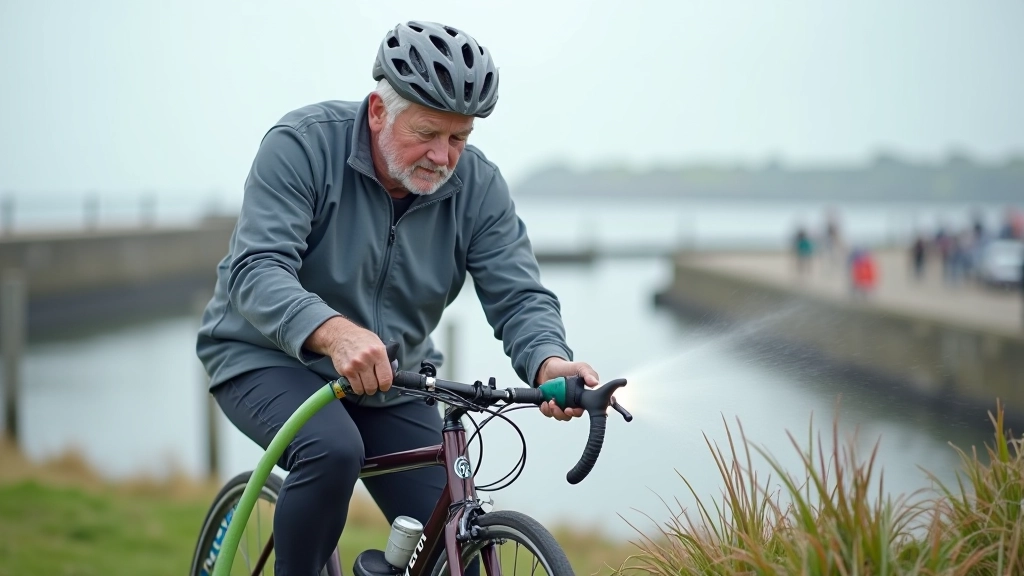
Use fresh water and rinse thoroughly. A garden hose works perfectly. Pay special attention to the chain, cassette, derailleur, and brake components where salt likes to accumulate. Don't blast with high pressure though — that pushes water into sealed bearings. A gentle spray is all you need.
Use Marine-Grade Lubricants
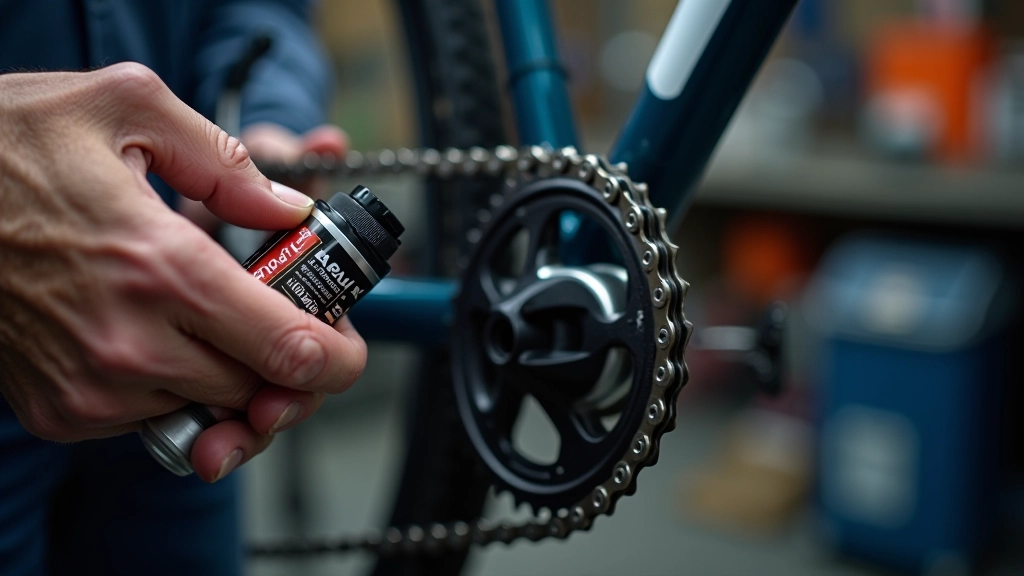
Standard bike oil doesn't cut it in coastal environments. You need a lubricant formulated to repel salt and moisture. Marine-grade chain lube is your friend here. It's thicker, stickier, and won't wash away as easily in salty air and occasional rain.
Apply lube to your chain every 2-3 rides in summer, maybe weekly in winter. Wipe off excess with a clean cloth — you don't want a gummy mess attracting dirt. The drivetrain gets the most wear from salt exposure, so don't neglect the cassette and derailleur pulleys either.
Pro tip: After coastal rides, apply a light coat of protective oil to your frame's unpainted areas and cable housings. This creates a barrier against salt spray.
Inspect Critical Components Monthly
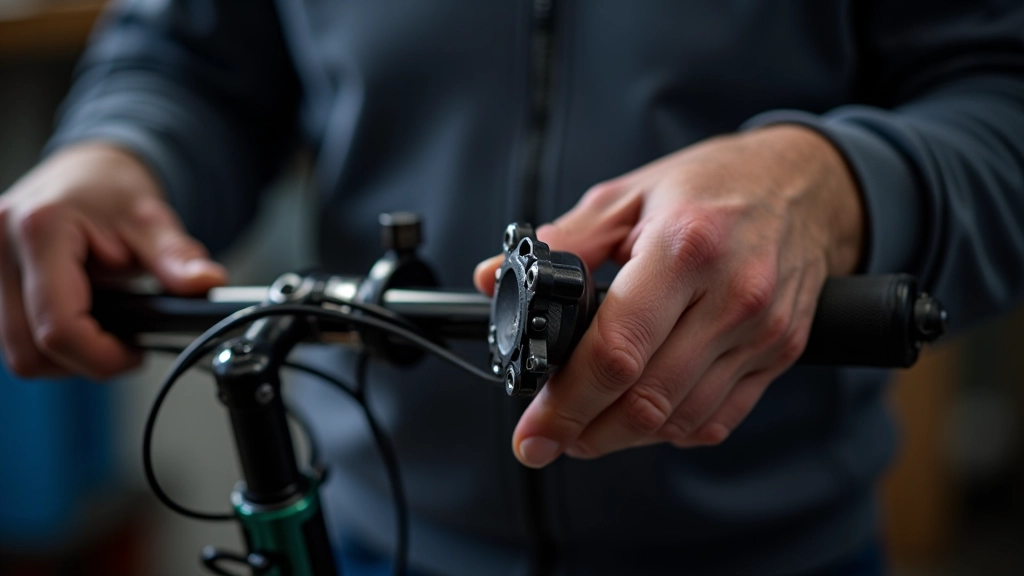
Set a routine. Every month, spend 15 minutes checking specific parts. Salt corrosion shows up first on brake components, cables, and bolts. You'll see discoloration or rough spots where shiny metal used to be.
Check your brake pads for wear — they deteriorate faster in salty conditions because moisture and salt particles embed in the pad material. Your cables should be smooth to the touch. If they feel rough or look discolored, they're starting to corrode inside the housing. This affects shifting and braking responsiveness.
Brake System
Check pad thickness and cable integrity monthly. Replace pads every 3-4 months instead of the usual 6-8.
Cables & Housing
Rough or corroded cables need replacement immediately. They affect shifting and braking precision.
Bearings & Hubs
Listen for grinding or grinding sounds. Seized bearings need professional service before major damage occurs.
Chain & Cassette
Replace chains every 1500-2000 km on coastal routes. Cassettes last 2-3 chains before needing replacement.
About This Guide
This article provides educational information about bicycle maintenance practices in coastal environments. The advice reflects common industry standards and the specific conditions of the Waterford estuary area. Individual bikes vary — consult your bike manufacturer's maintenance schedule and consider professional servicing for major component work or if you're unsure about any procedure.
Keep Your Bike Happy on the Estuary Path
Coastal cycling is incredible. The views, the air, the peaceful rides along the water — it's worth protecting your investment with smart maintenance habits. The good news is it doesn't require expensive parts or complicated procedures. Fresh water rinses, the right lubricants, and monthly inspections keep most problems from developing.
You'll notice your bike responds better, shifts more smoothly, and stops more reliably when you stay on top of maintenance. Plus, you'll catch small issues before they become expensive repairs. Build these habits into your routine and you'll enjoy many more happy miles on the path.
Related Articles

Planning Your First Ride on the Estuary Path
Distance, terrain, best starting points, and what to bring. Everything beginners need to know.
Safety on the Waterford Estuary Cycle Path
Weather conditions, visibility concerns, and traffic awareness. Practical safety advice.

Highlights & Stopping Points Between Waterford and Dunmore East
Best viewpoints, rest areas, cafés, and photo spots along the route. Make the most of your ride.