
Bike Maintenance Tips for Coastal Routes
Salt air affects bikes differently. Here's how to keep your bike running smoothly along the coast.
Distance, terrain, best starting points, and what to bring. Everything beginners need to know before heading out.

The Estuary Path from Waterford to Dunmore East is one of the most rewarding coastal routes you'll find. It's not just a bike ride — it's a proper journey along the water with views that change with the light and the seasons. We're talking about roughly 18 kilometres of mostly flat terrain, ideal if you're getting back into cycling or exploring something new.
Here's the thing though: knowing what to expect makes the difference between a brilliant day out and struggling through something that felt harder than it needed to be. This guide covers everything you actually need to know before you clip in and head out.
Starting from Waterford's quayside near the bridge, the path curves along the estuary water. The first few kilometres are urban cycling — you'll pass through parts of the city before the route opens up. Then it gets proper scenic.
Most of the path is dedicated cycling infrastructure, which means you're separated from traffic. That's genuinely nice for peace of mind. The surface is solid asphalt, well-maintained for the most part. You won't encounter anything shocking. But here's what matters: there are gentle inclines as you head towards Dunmore, nothing steep but noticeable if you're coming back from a long break from cycling.
The best strategy? Don't push hard on the way out. Save energy for the return journey because you'll feel those small hills more on the way back, especially if there's any wind off the water.
You've got a couple of sensible options for where to begin. The main one is Waterford's quayside — there's parking, facilities, and it's easy to navigate. The path entrance is clearly marked. Alternatively, if you want to skip the urban section, you can start further out at Passage East, which cuts the total distance to around 12 kilometres.
Here's what works: if you're doing your first ride, start at the quayside. You'll warm up during the initial kilometres, and by the time you're on the open path, you're already into a rhythm. Plus, there's a café at the start if you want to grab something before heading out.
Parking is free and there's usually space, especially mid-week. The path itself doesn't have much elevation gain until you're about halfway through, so you're not fighting the terrain right from the start.
This guide is informational to help you prepare for cycling the Estuary Path. Weather conditions, traffic, and personal fitness levels vary significantly. Always check current weather forecasts, wear appropriate safety gear including a helmet, and adjust your pace based on how you're feeling. If you have any health concerns, consult with your doctor before undertaking extended cycling. Road and path conditions can change — it's your responsibility to assess safety before each ride.
This is where people overthink things. You don't need a massive rucksack or fancy kit. What you actually need is straightforward: a small backpack or saddlebag with water (at least 1 litre), some basic snacks, and your phone. We're not talking about a expedition — it's a couple of hours on a bike path with facilities nearby.
Clothing-wise, dress for the conditions you're in, not the conditions you think will happen. The coastal wind makes a difference. Even on a warm day, there's usually a breeze off the water, so bring a light layer. A windproof gilet takes minimal space and makes a real difference. Waterproof jacket if there's any chance of rain — getting caught in a downpour isn't fun when you're halfway along the estuary.
Footwear matters more than people realise. Proper cycling shoes or at least trainers with decent grip. You'll be walking your bike if you need to, and slipping on wet surfaces is how accidents happen. A helmet is non-negotiable. Yes, the path is relatively safe, but one mistake is enough.

This is where most people get it wrong on their first ride. They start too fast. You feel good, the path is nice, and suddenly you're working harder than you intended. Then you've got the same distance back and you're knackered.
Aim for a pace where you can still have a conversation. If you're breathing hard, you're going too fast. The path is flat enough that you should be able to maintain a steady rhythm without constantly shifting gears. Most people complete the outbound journey in 60-90 minutes at a comfortable pace. That's not racing. That's enjoying the ride.
Build in a stop at Dunmore. There are decent spots for a break — you can grab a coffee, stretch your legs, and genuinely recover before heading back. Don't treat it like a time trial. The point is to get out on the water, move your body, and come back without being wrecked.
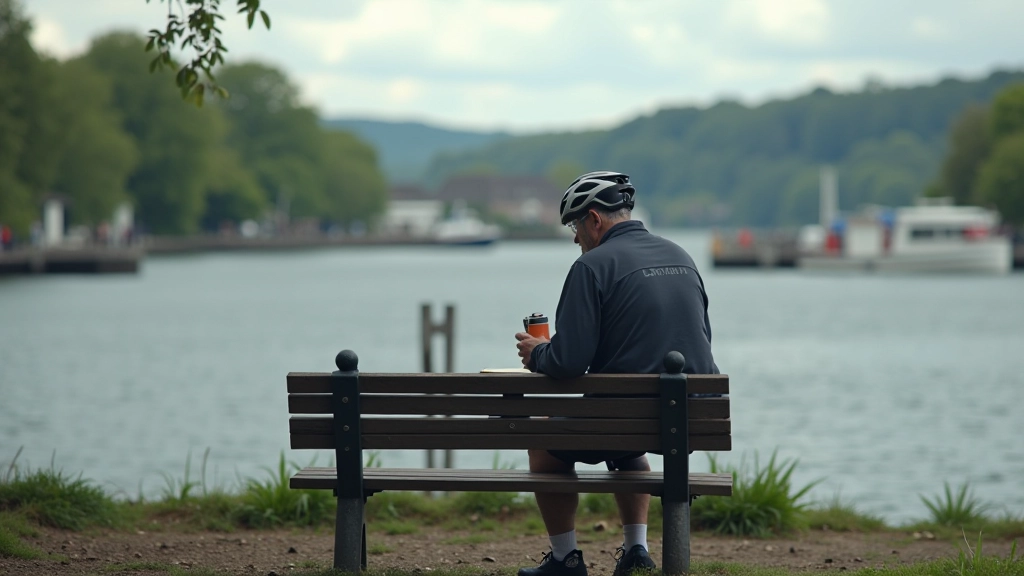
Your first ride on the Estuary Path doesn't need to be complicated. You've got a solid, flat route with proper cycling infrastructure. Start early in the day when it's quieter, bring the basics, pace yourself sensibly, and enjoy what's genuinely one of the nicest routes in the region.
Most people come back for a second ride, and a third, and then it becomes part of their routine. That's the real test — not whether you can complete it once, but whether you actually want to go back. We reckon you will.
Salt air affects bikes differently. Here's how to keep your bike running smoothly along the coast.
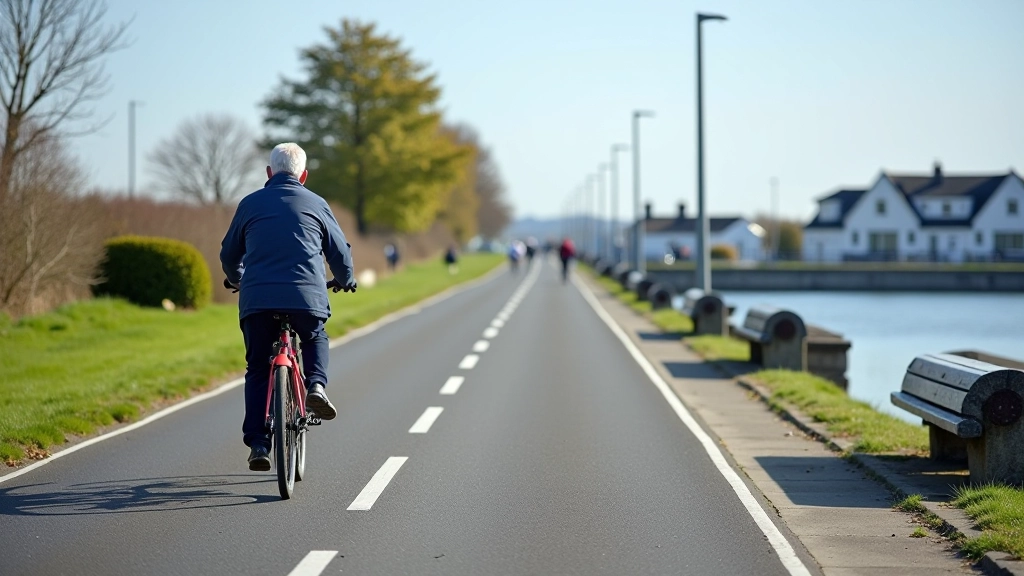
Weather conditions, visibility concerns, and traffic awareness. Practical safety guidance for the route.
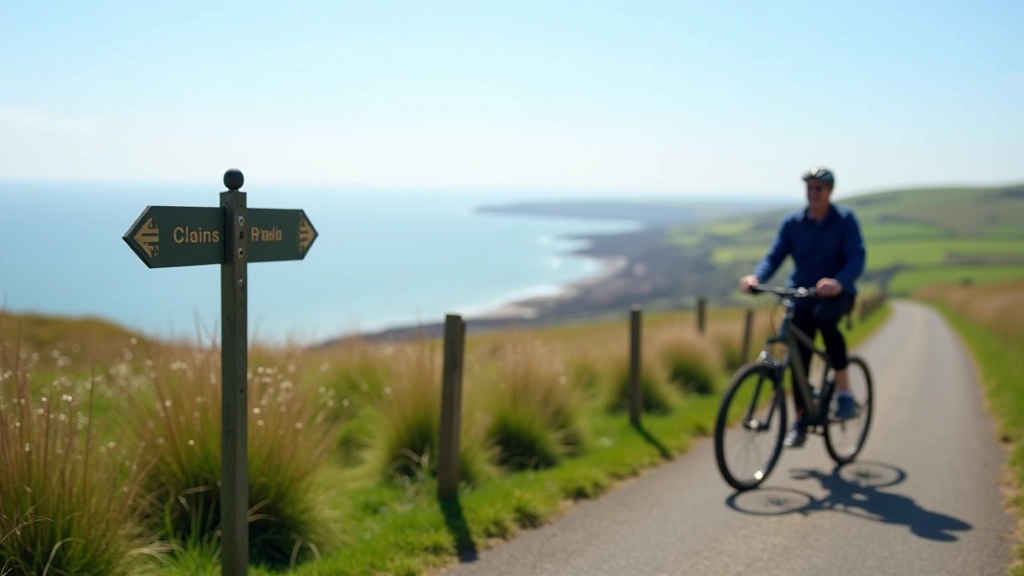
Best viewpoints, rest areas, cafés, and photo spots along the route. Make the most of your ride.